All posts by mimi

How Long Does It Take To Change The Oil In A Car?

If you’ve ever wondered how long it takes to change car oil, you aren’t alone. If you’re not sure how long an oil change actually takes, here are some tips. In addition to learning how long it takes a professional to change your car’s oil, we’ll cover how much an oil change costs. Keep reading to learn how long an oil change takes and how to do it yourself.

Duration of an oil change

How often should you change your car’s oil? The interval for oil changes varies greatly from vehicle to vehicle and can depend on a variety of factors including age, type of oil, and operating temperature. The 3000-mile rule was the traditional recommendation for many years, but the newer, more sophisticated engines are likely to require more frequent oil changes. A general rule of thumb is to change your oil every 5,000 to 7,000 miles.

In a conventional repair shop, a typical oil change can take from fifteen minutes to an hour. However, at a quick-lube shop, the process can take as little as 15 minutes. The longer wait time is primarily due to the backlog of other customers, so you should expect a longer wait time. If you do it yourself, it can take anywhere from half an hour to over an hour. To ensure your vehicle gets the highest quality service possible, schedule your oil change well in advance.

Newer vehicles can go as long as seven thousand miles between oil changes. Some vehicles can even go ten thousand miles. Newer vehicles use synthetic or blended oils, which keep the engine’s lubricating properties for longer. Most late-model cars even come with oil life monitors that help you determine how often your car needs an oil change. Even the most cautious owners end up pouring their engine oil twice as often as the recommended amount.

The frequency of oil changes is determined by the age of your car, the type of engine it uses, the type of oil used, and the driving patterns you engage in. You can consult your car’s owner’s manual to find out when it’s time for an oil change, or you can manually check the level in your car. However, keep in mind that some oil changes take longer than others. However, it is important to change the oil regularly so that your vehicle doesn’t break down.

Another factor that affects the longevity of motor oil is the temperature in the region you drive in. Changing the oil regularly will help you avoid costly repairs and replacements. A properly-changed oil will provide years of uninterrupted service. If you take your car for extended trips, make sure to change the oil every six months. Otherwise, you’ll be damaging your engine more than the oil. And don’t forget about the environment.

Time required for a professional oil change

If you’re looking to save some time on a regular basis, you might consider getting your car’s oil changed by a professional. Professionals can change the oil of most vehicles in as little as fifteen minutes, but you can also save money by doing the job yourself. Most oil changes last anywhere from 10 to 30 minutes. Some experts also check the car’s tune-up. Oil changes are a great time to check the car for problems before they become serious.

Professional oil changes are important to keep your car running properly. Getting them done regularly can improve the performance of your car. It’s also important to change your oil if you live in an area with extreme weather conditions. In these cases, you might be surprised to learn that the oil in your car isn’t as thin as it appears on the outside. A professional car oil change is also a good idea for cars that don’t get used to much.

An oil change at an automotive center takes approximately 15 to 20 minutes. The technician will prep your car for the process by putting down a temporary cover to keep the interior clean. After this, he will remove the drain plug and access the oil canister. The process should take 15 to 20 minutes, but the process may be longer if the oil filter is located in a more difficult-to-access location.

Many popular oil change businesses offer online scheduling, so you can make an appointment to get your car’s oil changed. Getting an appointment is another option if you have a busy day. It’s important to find an oil change business that offers convenient hours for you. This way, you can be back on the road in no time. So, what are you waiting for? Consider getting an oil change at your local car repair shop.

The 3,000-mile rule is outdated. Professional oil changes keep your car running efficiently and protect your warranty. Although most vehicles will do fine with an oil change every 3,000 miles, certain types of drivers will need it more often. If you drive a vehicle at low speeds or make frequent engine starts, you may need to change the oil more frequently. If you live in an area where temperatures fluctuate frequently, you can avoid an oil change by getting the oil changed as early as seven-five miles.

Time required for a home oil change

You probably don’t drive as much as you once did, but you still need to get an oil change on your car, right? If you live in a hot climate or take your car for short trips, you probably need to change the oil more often than most people.:

As road travel has declined in recent years, the need to change oil is even more important. It’s estimated that nearly 48 percent of the worldwide population drives less than they did in the 1990s, which means that if you stop driving for a few years, your car might need more frequent oil changes. If you’re wondering whether or not changing your oil is important if you’re driving less, keep reading to find out!

You can complete a DIY oil change in about 30 minutes, depending on your skills and how much experience you have. You may also need to purchase the necessary tools and dispose of the used oil. While it’s a messy task, you can complete the process by yourself in about 15 minutes. Besides saving money on oil, you can also perform other maintenance tasks yourself. But keep in mind that DIY oil changes take longer than those done by professionals.

You may want to consult your owner’s manual to determine which oil to use. Follow the manufacturer’s recommended viscosity for your engine. If you’re not sure, spread plastic sheeting on the ground before jacking your car up. When you’re ready, set up your jack stands. Make sure to use plywood underneath the jack stands, if you need to. This helps protect the ground underneath your car.

Cost of an oil change

The price of oil changes depending on many factors. The price of labor, motor oil, and filter varies depending on location, size of the engine, and mechanic. The labor rate also depends on whether the shop hires certified mechanics or not. When you want to save some money, you can also try to do it yourself at home. However, do not underestimate the cost of oil changes! You should be aware that the cost may change depending on the type of oil used and how often you need it done.

Oil change prices vary from $20 to over $100. A professional oil change will probably cost about $50-$80. There are plenty of middle-ground fees between these extremes. The amount you pay will depend on how many quarts of oil your vehicle needs and the type of oil you choose. The cost also depends on whether you opt for synthetic or conventional oil. For luxury cars, you may even want to opt for synthetic/conventional blends that cost around $10 per quart.

Oil price depends on the make, year, and engine size of your car. A Toyota 1.8L four-cylinder engine will cost less than a BMW X6’s 3L six-cylinder engine. Oil viscosity will also affect the price. For instance, higher-quality synthetic oils will cost more than 5W30 oil. Additionally, a car with a high-performance engine will require synthetic oil. When it comes to choosing an oil, consider the manufacturer and viscosity.

Oil change prices vary from $20 to $50 depending on how much you need and where you go. In most cases, you can save money by using an independent oil change shop or a car service chain. Independent shops and small shops usually charge lower prices than dealerships. Some chains offer online coupons, online appointments, and other discounts. In the case of a car dealership, the cost will be around PS100 ($130) per quart. If you want to save more money, choose the cheaper option and do it yourself.

conclusion

The cost of an oil change varies depending on the car’s model and make. A simple oil change can be done at home for $20 to $30, depending on the quality of the tools. A professional oil change can also come with additional maintenance services, such as tire inspections, visual brake checks, and fluid top-off. If you do it yourself, you can save about $400. This is a good option if you do not want to spend a lot of time on a car.

How does your car behave when it runs out of oil?

If you’re wondering what happens if your car runs out of engine oil, you’re not alone. If you’re concerned that you might have a problem, it’s important to get a professional opinion. There are several causes of low engine oil, and adding extra oil isn’t going to solve the problem. In this article, we’ll discuss what happens when a car’s oil level falls below the recommended level, the symptoms you should watch out for, and how to avoid expensive repairs.

Problems caused by low oil levels

When your car is running low on oil, it can result in several problems. Low oil pressure, high engine temperature, and knocking or squealing are all common symptoms. If you are experiencing any of these symptoms, it may be time for an oil change. In the meantime, it may be a good idea to add a little oil. The low oil pressure can also indicate other problems, such as a dirty oil filter or leak.

Besides not starting properly, the engine may also seize. I If you hear any grinding sounds coming from under your vehicle, it may mean your oil is low, and you should immediately get it repaired. In addition, a lack of oil can lead to serious damage to parts and expensive repair bills. While these problems are most common in older cars, they can also happen in newer vehicles.

Symptoms of low oil levels

The warning light on your dashboard may be the first indicator that your car is running low on oil. When oil pressure is low, the engine’s sensor will activate the warning light. The engine will have to be serviced to replenish the oil. The warning light can also be triggered by a malfunctioning oil pressure switch. To diagnose this problem, contact an authorized dealership. Listed below are the common symptoms of low oil levels in a vehicle.

Knocking and loud engine noises are two common signs of low oil. Listen to these warning signs to avoid further damage to your car. The sound of knocking and rattling is caused by friction in the engine and can indicate low oil levels. When the engine is lacking in lubrication, the engine rods can become loose, which can cause excessive friction and heat. Ultimately, this can lead to overheating in the internal combustion cabin.

Adding oil to a car will not fix a problem

The most obvious way to tell if your car is running low on oil is to see if the light comes on. If it does, turn off your engine as soon as possible. If it continues to run, it could be a sign that it has completely run out of oil. If this happens, it can be dangerous, and adding oil to your car will not solve the problem.

If your car is running low on oil, it is important to make sure that the engine is not damaged. If your car is still running but not starting, you should consult a mechanic for advice. Adding oil to a car will only make it start, but it won’t fix the problem. It may not even be enough to get it going. A mechanic can check the engine’s condition and recommend the best course of action.

Cost of repairs

How much does it cost to repair a car that has run out of oil? Repairs for an oil leak can range anywhere from $150 to more than $1200. In some cases, a leaky oil pan can damage your driveway, exhaust system, or engine. Depending on the size and location of the leak, the repair may require a complete engine exchange or even transmission component repair. The cost will also vary depending on which component is leaking and what part of the vehicle was affected.

conclusion

The best thing to do if your car runs out of oil is to pull over as soon as possible and get it towed to a service center or mechanic. While you are waiting for the service center, you can inspect the car and top off the oil. Some engine problems may require major mechanical repair, but if you’re not able to afford the repair costs, sell your car to a Cash Cars Buyer and avoid the hassle.

How Long Can a Car Go Without an Oil Change?

Newer cars generally require oil changes every thousand miles or so. Manufacturers recommend changing oil every 5,000 to 10,000 miles, but some people push the limits. Some people only get an oil change when the engine light comes on. Others may not notice it until the engine light comes on and will make an appointment to get it changed right away. This article will help you determine how often you should have your car’s oil changed.

Changing oil for newer cars

Changing the oil in a newer car can be a tricky process. First, it’s essential to understand the specifications of the engine oil. If you’re not sure, check the oil cap for the correct weight. If the oil isn’t listed, consult the owner’s manual or ask your dealer. Sometimes, the manufacturer will give you specific recommendations on what kind of oil you should use. In addition, you may want to consider using a resource-conserving blend of oil.

The amount of time between oil changes and the number of miles your car has driven can vary widely. Most new cars can get by changing the oil every 5,000 to 7,500 miles. Newer cars with synthetic oil may be able to increase this interval, although it costs a bit more. However, you need to remember that even low-mileage cars need a fresh oil change every so often. If you’re unsure about the oil viscosity and your driving habits, it’s a good idea to ask the previous owner. In addition, you should make sure to take your car to a mechanic for routine checkups so he can monitor the behavior of the oil and recommend the appropriate intervals for your vehicle.

Before starting the oil change, park the car on a level surface. Make sure to turn off the engine and engage the parking brake. Next, you can use a jack stand or ramps to raise the vehicle. The wheels of a vehicle can be dangerous if they’re not propped up, so you should secure them using wheel chocks. Finally, make sure you have the proper oil filter and filler cap in the car.

If you’re driving more than 20 minutes a day, extending the time between oil changes will make your car last for longer. For older cars, however, it’s best to follow the recommended maintenance schedule that your car manufacturer recommends. If possible, use synthetic oil to extend the time between oil changes. Although it’s more expensive than regular oil, synthetic oil is far more beneficial to your engine and the environment.

Changing oil based on the manufacturer’s recommendation

Changing oil is a necessary part of engine maintenance. Many vehicle owners disregard the manufacturer’s recommended oil change interval and stick to the old adage that oil lasts for at least three thousand miles. In reality, the manufacturer’s recommendation may be outdated or incorrect. The correct oil change interval depends on a variety of factors, including the speed of the engine, climate conditions, and the number of cold starts.

Many late model cars are required to use synthetic-blend or full synthetic oil to minimize friction and improve fuel economy. The proper oil must also meet the proper SAE viscosity grade and API, ILSAC, ACEA, and other standards for performance. The specific oil for your vehicle must also meet the manufacturer’s unique specifications. For example, if you buy a brand new car, you’ll likely want to change the oil every five thousand miles.

If your vehicle is over seven thousand miles old, consider a synthetic oil that lasts at least one thousand miles. These oil types are highly recommended by manufacturers to extend the life of your engine. A high-quality synthetic oil will last at least 10 thousand miles. Almost all new cars now use synthetic oil. However, if you’re purchasing a vehicle more than ten years old, you may still be using conventional petroleum-based oil.

Changing oil every 1,000 miles

Most automotive manufacturers recommend changing the oil in your car every 1,000 miles, but the recommended intervals for most vehicles are 5,000, 7,500, or even 10,000 miles. In some cars, this interval may extend to 15,000 miles. The automotive service industry is aware of these changes and still preaches the 3,000-mile gospel, keeping service bays busy. It’s not surprising that even the most cautious car owners often dump their engine oil more than twice as often as the manual recommends.

There’s no right or wrong answer when it comes to oil change intervals. However, a new study conducted by Consumer Reports found that some auto manufacturers are building engines that need frequent topping off to ensure optimal performance. As a result, many cars need an oil change every 3,000 miles. However, some car owners are extending the recommended intervals even further and may drive as much as 8,000 miles without changing their oil.

Even if an older vehicle needs a change more frequently, some car manufacturers recommend that it be changed after a quart of oil. This is a reasonable number of miles for most vehicles, though it is not normal for high-performance cars to use more oil. If your vehicle is using more oil than that, it is likely to be exhibiting severe wear problems that will require expensive repairs. If you’re not sure whether or not your vehicle needs an oil change, contact a car service professional today.

While there’s no universal rule on how often you should change your car’s oil, it’s a good rule of thumb to follow. The manufacturer’s recommended oil change intervals can vary greatly depending on the type of driving you to do. Generally, a 3,000-mile interval is the best choice for normal driving. Severe driving, off-roading, and racing may require an oil change more frequently.

It’s easy to forget that you need to change your oil every 1,000 miles. A low-grade dipstick reading means that the engine is using oil too rapidly and it needs to be changed. When this happens, you should also replace your oil filter as well. Using synthetic oil is recommended because it can last longer. It’s not necessary for your car to run on synthetic oil every time, but it can save you money in the long term.

Changing oil at Matthews Tire

Changing the engine oil of your car is vital for the safety of your vehicle. Changing the oil every three to five thousand miles will prevent excessive wear on the engine and keep the oil free of debris. Check your owner’s manual for recommendations on when to change your oil. If you are unsure, ask an experienced auto repair technician. Changing oil at Matthews Tire is quick, convenient, and affordable.

conclusion

Changing your car’s oil is important for several reasons. Regular oil changes protect your engine from heat and friction. A car can cause engine damage if its oil and filter are no longer fresh. Oil changes should be performed every three months or 3,000 miles, or as recommended by the manufacturer. If you don’t change the oil on time, it can damage your engine and need costly repairs.

How Much Oil To Put in Car

If you want to know how much oil to put in your car, you should first know what kind of engine you have. Generally, cars use three to eight quarts of oil. However, seasonal changes can make your oil usage vary. Check your car’s manual or check an auto website for precise information. Listed below are some tips to help you determine the right amount of oil to put in your car. Read on to learn how much oil your car needs each time you change the oil.

Engine size

To keep the oil level of your car at its optimal levels, you should know the size of your engine. Different engine sizes require different amounts of motor oil. You can find most of this information in the owner’s manual of your vehicle. Not knowing these details could lead to costly mistakes. Fortunately, there are some easy ways to determine how much oil to put in your car. Below are some tips to follow when changing oil.

Depending on the engine size, most vehicles require anywhere from three to eight quarts of oil. Some engines, like those in high-performance cars, require full synthetic motor oil. For a four-cylinder car, about five quarts of oil will do. For a six-cylinder car, you’ll need between five and eight quarts. A four-cylinder car can function with four quarts of oil, while an eight-cylinder car will need five to seven quarts.

To determine how much oil to put in your car, take the following measurements. The engine size is the biggest factor. Also, the oil level is important for the gaskets, so it’s crucial to use the correct amount. While too much oil is bad for gaskets, too little oil can damage the engine and waste fuel. If you’re unsure, consult your owner’s manual.

Type of lubricant

It is imperative that you know what type of lubricant to put in your car and follow a proper maintenance schedule, but what exactly is the best way to do that? If you’re not sure, here are some tips. You can use a simple formula for engine oil, or you can also look for ASE-certified mechanics. Either way, you’ll be sure to protect your investment.

Dry lubricants come in a spray bottle. They contain fine particles that are designed to reduce friction between surfaces. These are not good to use on plastics, rubber, or wiring, since they attract dust and oxidize at high temperatures. They are also convenient to use but are not recommended for larger parts of the car, such as the wheels or axles. They are also often more expensive than traditional lubricants.

In addition to the chemical composition of the oil, the type of additives in the lubricant you put in your car is another factor that will affect how well it performs. Some lubricants contain anti-wear additives, corrosion inhibitors, antioxidants, detergents, dispersants, and antifoam agents. Other additives are viscosity modifiers, which improve the lubricant’s ability to change viscosity with temperature. These additives can help improve the overall performance of your engine.

The viscosity of lubricants is important for determining their friction coefficient. Most automotive lubricants exhibit an elastic property, allowing them to behave like a liquid at low pressures and solid before flowing. The viscosity of the oil will depend on the temperature, shear rate, and the amount of friction you’re experiencing. By using a viscosity monitor to gauge your oil, you can determine which type is best suited for your car.

There are different types of motor oils, each with its own service designation. Different types of oil have different viscosity, base oil, and additive packages, so you must be sure to buy one designed for the correct year. Beware of using oils formulated for cars that are considered outdated, as they won’t protect modern engines. There have been several lawsuits filed against oil manufacturers who sell old-fashioned motor oils to newer cars.

Seasonal changes in oil needs

Oil prices can fluctuate outside the 30 to 50 cent range depending on many factors, including the season. Someone who lives in the northeast might use 1,200 gallons of oil during the winter. But what is the actual cause of the seasonal changes in oil demand? Many factors come into play, including armed conflict, geopolitical tensions, and macroeconomic cycles. During the summer, crude oil tends to gain in value, largely due to summer travel. Meanwhile, many industries ramp up their operations during this time.

The seasonality of oil demand has important implications for energy policy, including regional and global oil prices. The differences between global and regional demand for energy can have significant consequences for investment and hedging decisions. They can also affect geopolitics and energy security. And because of their global scale, oil demand and supply can be affected differently by climate and weather conditions. However, even when climate change is considered to be unavoidable, seasonality has an impact on the price of crude oil.

Although historically, global oil consumption patterns were fairly stable and predictable, recent seasonal changes are less understood. The paper analyses regional seasonal patterns, the counter-balance between demand and supply, and the time-varying amplitude between regions. The findings suggest that recent seasonal changes are largely driven by long-run demand trends in fast-growing emerging markets and idiosyncratic changes in the amplitude of seasonal demand.

As oil prices have fluctuated over the past several years, the oil market has reacted with volatility. Historically, the strongest oil prices occurred in September and the weakest in April. The price trend has followed the seasonal cycle since the fall of the 2008 pandemic, although it has only recently recovered. The summer driving season is a perfect example of seasonal changes in oil needs. While demand remains high, prices will fluctuate as the economy recovers.

Oil demand is likely to increase in the coming months, and the EIA projects an increase of 2.5 million bb/d. In the first quarter of 2022, global liquids production and consumption will be balanced. By the third quarter, there will be a surplus of 0.7 million bbls. By the end of the year, inventories are expected to fall below the levels of last year, a trend that may continue.

Recommendations for motor oil changes

The majority of auto manufacturers recommend changing motor oil every 3,000 miles or seven thousand kilometers, but some cars are so low-mileage that the interval can be as high as 15,000 miles. Despite technological advancements, the automotive service industry continues to preach the 3,000-mile gospel to consumers. Even cautious owners are guilty of dunking engine oil more than twice the recommended interval. Here are some examples of vehicles that require regular oil changes:

The manufacturer’s recommended oil change interval depends on the type of oil you use. Conventional motor oil requires changing it every five to seven thousand miles, while synthetic motor oils require changing every fifteen thousand miles. Check your car’s owner’s manual for specific recommendations. Changing your oil regularly is necessary for the smooth operation of your engine, which reduces fuel consumption and enhances performance. In addition to keeping your car running smoothly, an oil change will help keep your engine protected and lubricated.

Modern vehicles use synthetic engine oils and are equipped with an oil life monitoring system that automatically determines when to change the oil. Oil life monitoring systems are also built into many new vehicles. Earlier models only calculated oil life based on miles driven and times. Newer models analyze engine operating conditions and adjust their recommended oil change schedule to avoid extreme service schedules. If you’re unsure of when to change the oil, check your owner’s manual or online enthusiast groups.

While frequent oil changes are not necessary, frequent ones don’t improve performance. Instead, they can drain your wallet. Follow the schedule recommended by your owner’s manual and pay attention to warnings from your car. There are also other important parts of your car that need attention. You should keep your car in good condition by monitoring the oil levels regularly. If you don’t follow the recommended oil change schedule, your car might break down, and you’ll end up wasting money on repairs.

conclusion

When it comes to motor oil changes, it’s best to follow the recommended intervals in the owner’s manual. Generally speaking, you’ll want to change the oil every three thousand miles or 3,000 miles, but it is still best to follow the manufacturer’s recommendation for your car’s oil viscosity. In addition, check the oil viscosity and oil temperature, which will ensure you’re using the right type of oil.

How to Stop Your Car From Leaking Oil When Parked

The problem of your car leaking oil when parked may be a sign of several problems. The problem could stem from an oil leak in the engine or from a damaged oil pan plug. If it is the latter, you may need to check the seals and gaskets in your car. Nevertheless, if your car is leaking oil while parked, the problem may lie in the transmission fluid. There are some tips you should follow when determining the cause.

Engine gaskets leaking oil when parked

One of the more worrying symptoms of an engine leak is a puddle of liquid on the ground. This is most likely motor oil or older brake fluid. To prevent further damage, you should immediately have the engine checked out and repair any leaks. Listed below are some simple ways to check your car for oil leaks. If you see a dark puddle, check your car’s gaskets and seals.

In the event the gaskets are not leaking oil, make an appointment with an auto mechanic. The first step is to replace any worn-out seals in the engine. A broken head gasket can lead to a number of problems, including a leaking oil filter. In addition to oil leaks, worn-out valve seals and gaskets can also cause oil leaks. Check your oil level regularly to avoid the risk of a low level.

If the engine is leaking oil when parked, you should check the oil pan and engine gasket. If your car has a puddle, there’s a leak in the oil pan. Oil leaks from the oil pan are usually the result of bad oil connections or faulty engine gaskets. To check the oil level, simply remove the oil drain plug. In the worst-case scenario, the leak could lead to severe damage to your car.

A cracked or leaking oil under your car’s hood could be the result of a valve cover gasket. This gasket seals a crack between the engine head and the valve cover. As the oil flows through the gap, it will contaminate the metal parts. Similarly, bad oil will cause a buildup of sludge deposits. Sludge is just old oil that’s corroded and stuck to everything it touches.

Damaged oil pan plugs

If you’ve been noticing a puddle of oil on the ground or in your garage after you park your car, you might have a damaged or stripped oil pan plug. A damaged plug may be the result of improper installation or stripped threads. You can temporarily substitute a rubber plug with a hardened steel thread insert, but you’ll want a replacement eventually. If your car continues to leak oil when parked, you can contact an expert to help you replace the oil pan plug.

In addition to leaking oil, you may notice a puddle of dark brown liquid in your garage, which is likely motor oil or older brake fluid. While this is a symptom of a leaking oil pan, it’s not necessarily dangerous. However, it is important to fix any leaks as soon as possible. If you notice puddles of oil in the garage, you need to get your car fixed immediately.

If your car continues to leak oil after you park it, you may have a damaged oil pan plug. To remedy the problem, replace the oil pan plug with a new one. A new one is necessary if your oil pan plugs are rusted, or damaged in any other way. Replace the oil pan plugs with new ones that are sized for your car’s make and model.

If you notice that your car is leaking oil when you park it, chances are it has a damaged oil pan plug. You can repair this by removing the plugs, but you need to be sure that you use heavy work gloves so you don’t hurt yourself. After removing the plug, place a basin beneath the oil pan. Then, you can remove the plug and drain the oil from the car.

Damaged oil gaskets

Your car may start leaking oil when you park it. This is the result of several reasons. The engine block and head are hot after you drive, which puts pressure on the oil seals in the engine. Over time, these components will start to break down and cause gaps, which will allow the oil to leak. These leaks are usually caused by damaged gaskets. When this happens, you should look for the culprit right away.

If you suspect that your car is leaking oil, inspect the valve cover. A damaged valve cover gasket may be to blame. If this is the cause, replace the gasket. This part can last anywhere from 20,000 to 50,000 miles. If you drive a lot in colder climates, you should have your car inspected by a mechanic to ensure it is not leaking.

Another common cause of oil leakage is low oil levels. A low oil level can cause the engine to overheat and cause the temperature gauge to shoot into the red zone. Even changing the oil won’t fix the issue if you don’t notice a visible oily puddle. The problem is usually the damaged oil gasket, which can be the result of prolonged use or exposure to the elements.

In addition to the oil pan and filler cap, the oil filter and the head gasket may need to be replaced. Replacing an oil pan and head gasket can cost anywhere from $100 to $350, depending on the type of vehicle and the severity of the problem. In some cases, the repairs are so severe that the engine will not run at all without expensive oil. However, it is still important to check all of these components to ensure that everything is in working order.

Transmission fluid

The most common way to tell if your car is leaking transmission fluid is if you see small, red, green, or brown puddles on the ground. The fluid might be leaking from the transmission pan, engine, or any of the fluid lines. If you notice any of these signs, you should have your vehicle checked by a mechanic as soon as possible. This leak can damage your vehicle, stain your driveway, or cause vibrations that can be heard when driving.

Another way to detect transmission fluid leaks is by inspecting the engine. This leak can come from a bad seal in the transmission pan or from neglecting to change the fluid regularly. In addition, debris can get into the transmission and cause leaks. While it is difficult to determine the cause of transmission fluid leaks, it is possible to prevent them by following some best practices. Changing your car’s oil and changing your transmission fluid regularly are excellent ways to keep your car in tip-top shape.

Oftentimes, this problem can be caused by a broken transmission fluid line. Transmission fluid lines are made of steel or aluminum and are susceptible to damage from heat and other environmental factors. The lines themselves are also prone to bending or breaking due to the constant exposure to road debris. Therefore, if your transmission fluid leaks, you should immediately take it to a mechanic and have it repaired. Otherwise, your car might not run at all.

While transmission fluid is highly flammable, it can cause other issues as well. While small leaks can be easily fixed, larger ones should be repaired by a mechanic. A professional mechanic can inspect the leak and fix it quickly. If the leak is not serious, you can safely drive on. If it’s only a small leak, you can easily drive your vehicle and find out what caused the leak, and fix it right away.

Brake fluid

Your car might be leaking brake fluid when you park it. The first step in finding the source of the leak is to check under the car. Put newspapers underneath the car to catch any leaks. If the leak doesn’t appear in the newspaper, you may be able to locate it by removing the parking brake. You can also pump the brakes to locate the source of the leak. You may need to push some newspaper around the leaking component to find it.

A puddle of brake fluid under the car is the most obvious symptom of a leak. However, a slight leak might just let air into the system. Make sure to check the owner’s manual to find out where the brake fluid reservoir is located. A minor leak may not be dangerous, but it’s still worth a trip to the mechanic. Your car’s owner’s manual should contain the location of the reservoir, and you can then use this information to determine how much fluid to add to the fluid in your car.

If you don’t notice any puddles under the car, it is likely that your car is leaking brake fluid. Use a large piece of cardboard underneath your vehicle and check it the next day. A large puddle will help you identify the leak and the source. It is also helpful for the mechanic to identify the source of the leak. If it’s the brake fluid, make sure you replace it immediately.

conclusion

A yellow or dark brown fluid may drip from the brake system, making it harder to stop. A small puddle may even be caused by condensation from the air conditioner. However, there are other causes for the leak. The brake system itself could be damaged or broken. Regardless of the source, if the leak is caused by a component, a repair can be costly and time-consuming. So, make sure to check the brakes before driving.

How Many Quarts of Oil in a Car 2022

Depending on the car you have, how many quarts of oil you need to put in it varies from car to car. A four-cylinder car needs about five quarts of oil, a six-cylinder engine works just fine, and an eight cyl. vehicle needs around eight quarts of oil. In general, five to eight quarts of oil will do for most cars.

Oil is the lifeblood of your engine

If you’re unsure of how much oil to put in your car, you can look at the filler cap to see how many quarts of engine oil you need. Cars with six or eight cylinders need about five to eight quarts of oil. Smaller vehicles with four or six cylinders might only need about four quarts, while larger cars and trucks may need as much as eight quarts.

Typical car and light truck engines use five quarts of motor oil. However, there are exceptions. A second-generation Dodge Dakota uses only four quarts of oil, while a 5.7 Hemi needs seven. Some European and Japanese cars use liters, which are roughly the same volume. Check the oil level to ensure you don’t have to add extra oil if your car needs more.

You can easily check the oil level in your car by inserting the dipstick. Usually, the distance between the dipstick’s bottom and top marks is about one quart. For example, a 2.4 liter Toyota engine holds 4.5 quarts of oil. The oil type used in this car is sae 0w-20, which is rated for use in low-to-medium-performance engines.

Most cars with under 50,000 miles don’t require more than a quart of oil in between oil changes. In fact, some newer vehicles have an oil change interval of seven hundred fifty miles. Many people think that adding more oil will make it lubricate parts better, but the opposite is true. Adding too much oil can lead to severe damage to an engine. If you don’t change the oil regularly, you may cause severe wear and damage.

It helps keep it clean

What is the recommended amount of oil for my car? Your vehicle’s engine requires a certain amount of oil each time you drive it. This amount varies depending on the type of engine and weather conditions. For example, high-performance cars require fully synthetic oil. This type of oil has a higher heat and pressure-resistant properties. For the majority of cars, mineral oil will suffice. Semi-synthetic blends offer the best balance between cost and performance. You should refer to your owner’s manual to find out the correct amount of oil for your vehicle.

Most cars need five to six quarts of oil. Some smaller engines need less than five quarts, while larger ones can use anywhere from eight to nine quarts. The amount you need is not precise, but the number is important. You can easily determine your car’s oil capacity by checking the oil filler cap. This way, you can know how much oil you need. A good rule of thumb is five to six quarts for a 4-cylinder engine, six-cylinder engines need seven to eight quarts, and 8-cylinder engines need eight or nine quarts.

It helps improve performance

A quart of oil is the ideal amount for your engine, but in reality, your vehicle can operate with less than this. It can run a few minutes without oil, and it might even run a quart below the ideal level for your vehicle. The most crucial time for a car’s engine is during startup, and a quart of oil in the crankcase is no different. The motor oil must reach the upper-end components quickly. If the oil is too low, it won’t reach those parts.

Most cars have between five and eight quarts of oil. Smaller engines usually require less, while larger cars require as much as eight quarts. The amount doesn’t matter if you only use one quart, but it does matter for several reasons. It can be as simple as looking at the oil filler cap to determine how much your car needs. You can also check the oil level in your engine by removing the cap.

It helps keep it from wearing out

You may be wondering how much oil your car needs. There are several reasons for keeping a full quart of oil in your car. Low oil levels can lead to the premature wear of critical parts, allowing harmful contaminants to enter the engine. A quart of oil depleted can result in up to a 33 percent increase in contaminants, as the oil spends less time at rest in the pan and more time in the hot frictional zones. These factors can speed up the deterioration of engine oil, so the lubrication of your car’s engine is vital.

There are different types of oil, so the exact amount needed for your vehicle is determined by its owner’s manual. Modern vehicles usually use only half a quart per 5,000 miles. However, the number can be much higher. If your car is new, it may require as much as one quart of oil during a break-in. Once it’s broken in, the amount should stabilize at a rate of about one quart every 2,000 to 3,000 miles. If your vehicle is old, you should not have to worry about this problem.

A car needs a minimum of a quart of oil for its engine to function properly. This is because all engines burn oil. Overfilling the tank can damage the engine. To avoid this, you can use a funnel to add oil in small amounts. Check the dipstick periodically to make sure it’s filled to the proper mark. Don’t overfill, and always remember to check your oil level before driving.

It can help you determine the right amount of oil to put in your car

Motor oil is not a one-size-fits-all solution. Make sure you read your owner’s manual to determine what type of motor oil is right for your car. Look for a designation, such as 0W-20 or 5W-30, and buy it by the quart. You can buy motor oil at any service station, auto-parts store, or supermarket.

A recommended oil weight is listed in your car’s owner’s manual. This number describes the oil’s viscosity, which is its ability to flow at various temperatures. Make sure to adjust the amount of oil-based on the seasons and how much you’re going to use your car. For example, if you plan on driving your car on a regular basis in moderate temperatures, 5W-20 oil might be sufficient. Make sure to buy oil labeled with a starburst symbol, meaning it’s been tested by the American Petroleum Institute.

Most vehicles run on conventional oil. If you have an older vehicle, you should consider using a synthetic blend, which is better for high-tech engines. It also performs better at higher temperatures and under heavier loads. Most oil recommendation labels are listed in the car’s owner’s manual. In general, a quart of oil is sufficient for most vehicles. If you add more oil than that often, you might need to purchase a second quart of oil.

conclusion

The oil level on a dipstick is usually between the minimum and halfway marks, but you may need to add more oil if it is below this mark. The oil filler cap should be labeled with “oil” or have an outline of an oil can. Remove the cap and use a funnel to add oil. The difference between the min. and max. notches on the dipstick are equal to one liter of oil.

How Much Oil Does My Car Need?

The question “How much oil does my car need?” is a common one. Fortunately, there is a simple way to figure out how much oil your car needs. Depending on your car, you’ll need anywhere from three to eight quarts of oil per engine. Check your car manual or auto website to get the exact figure. Remember, too much oil is bad for the engine. Always follow manufacturer specifications and never exceed the recommended oil consumption for your car.

Size of engine

The size of the engine in your car will determine how much motor oil you need to add to it. Normally, a six-cylinder car will use between three and seven quarts of oil. Larger cars may need more. You can use the table below to figure out the amount of oil your car needs to be based on the size of its engine. Write this down and store it on your cell phone. You can also purchase a book on motor oil capacity for your car.

Most engines use about five to six quarts of oil. Smaller engines usually need fewer than five quarts. Larger engines often require eight or nine quarts of oil. The exact amount of oil varies, but the rule of thumb is that the smaller the engine, the less oil it will use. The amount of oil you need depends on the size of your engine, the type of oil it uses, and whether or not you have a mechanic replace the filter.

The size of your car’s engine will determine the type and volume of oil you need to add to it. Smaller engines require less oil, while large ones require more. For your specific car, a manual can give you these specifications. However, you should not forget to always use a reputable brand of motor oil. By doing so, you will make sure that what you need is available. If you’re unsure of the right oil, you can always refer to the manufacturer’s manual.

A good rule of thumb is to add about one quart of oil to each cylinder. Six-cylinder engines generally need six quarts of oil, while an eight-cylinder car may need seven to eight quarts. You can also check your oil level with a dipstick. Dipsticks have markings on them for low and high oil levels. The sweet spot is between L and H. Make sure you check the oil level regularly and always follow the manufacturer’s specifications to avoid unnecessary engine damage.

Viscosity level of oil

When choosing engine oil for your car, you should pay special attention to the viscosity level. When a motor oil has low viscosity, it is not as effective at protecting your engine as a higher-viscosity oil. This is because the thin lubricants do not fill in the gaps between different parts of the engine. The next time you change your oil, be sure to check the viscosity level and choose a high-quality product.

The ideal oil for your car has a viscosity level of 10cSt or higher, but you must consider your vehicle’s needs before purchasing an oil. The viscosity index (VI) is an indicator of how fluids behave when they are heated. High VI is not desirable since it increases drag in the engine while low viscosity decreases lubrication. A high-quality oil should also be able to perform well under extreme temperatures and in cold conditions.

To determine the correct viscosity level of your car’s oil, first look at the SAE table. SAE 30 oil has a viscosity level between 9.3 CST and 12.5 CST at 212 degrees Fahrenheit. Using this number, you can determine whether your car’s engine oil is suitable for the temperature you’ll be driving in. If you’re driving in the British Isles, 0W40 oil is a waste of money.

When choosing motor oil for your car, the viscosity level should be based on the temperature of the engine. The higher the viscosity, the less protection the oil offers. A lower viscosity will reduce the amount of friction in your engine and help it start easier, while a high-viscosity oil will help it work at peak efficiency. In addition, low-viscosity motor oil is less protective and will damage your engine.

A car’s engine oil should have a viscosity rating, which is a measurement of how thick an oil is at high and low temperatures. This number is also referred to as the “C” rating. A lower viscosity oil will be more effective in colder climates, and a higher viscosity oil will cause your engine to work more slowly. A 5W oil is better for colder climates.

The optimum amount of oil for an engine

Most engines consume a certain amount of oil. In general, manufacturers consider the consumption of one quart per thousand miles as acceptable. The amount of oil that a car’s engine requires varies according to model, type, and operating conditions. Modern passenger cars usually have a minimum oil consumption of 0.05 %, but some vehicles may need more or less. For example, a vehicle built in the 1970s will require about 0.7 gallons of oil during normal operation.

The ideal amount of oil for a car’s engine depends on its size. For small four-cylinder engines, approximately three quarts are required. Larger engines, like V12s, require about eleven quarts of oil. Smaller engines, such as motorcycles, are typically five to six quarts. For the average car, the oil capacity is four to five quarts, depending on the model.

The recommended amount of oil for an engine depends on the model, size, and age of the vehicle. A high-performance V-8 engine may use full synthetic motor oil. Four-cylinder passenger cars typically use conventional oil. Optimum oil for an engine ranges from five to eight quarts. Typical vehicle oil levels are between five and eight quarts. However, the amount may be less in larger vehicles.

The type of oil that your vehicle uses depends on the type of driving conditions and climate. The more frequently your car drives, the more oil it needs to be changed. Short trips under fifteen minutes are the worst, as they tend to cause sludge to build up. Check your owner’s manual for the recommended motor oil and disposal instructions. In addition, make sure to check the oil level regularly so that it stays optimal for your vehicle.

An excessive amount of oil can damage an engine

Your car requires oil to run. Without oil, it will not be able to protect the engine’s moving parts, causing malfunctions. In addition, excessive amounts of oil can damage your engine by preventing the engine from running smoothly. Your car should be filled with the proper amount of oil every time you fill it. However, you should not overfill your oil pan, since this will cause it to overflow and reach the moving parts.

It’s crucial to monitor your oil level regularly, and overfilling the tank can cause major engine malfunctions. If the oil level is too high, it will cause the oil to foam, which means it won’t properly lubricate your engine. Foaming oil can also cause the engine to stall, which could lock up. Ultimately, the problem can lead to the failure of your car.

While an excessive amount of oil may not cause major engine problems, it can cause problems. Excessive amounts of engine oil may cause leakage, a faulty oil pressure sensor, or damaged valves. In addition to causing problems with your engine, too much oil can also result in excessive wear and tear on the engine’s components. Excessive oil can also cause your car to seize due to its high temperature. Excessive oil can cause valves to collapse and damaged engine rods.

If you are not careful with your car’s oil level, you may cause the level of the oil pan to rise too high. The oil will begin to foam, causing excessive pressure inside the engine. This pressure can lead to costly repairs. When it comes to oil, the correct amount of oil is 0.3 inches higher than the recommended level. The oil should be replaced as necessary. When you fill the pan up to this mark, you should check the level of oil with a dipstick.

conclusion

An overfilled engine oil may also cause other problems. Your car will produce blue-colored smoke. This smoke may be caused by burning engine oil. It may be caused by a leak dripping oil onto hot metal. The exhaust will also be contaminated. The catalytic converter will have to be replaced. These problems can cost you a lot of money. Overfilling clusyour car’s oil can damage the engine.

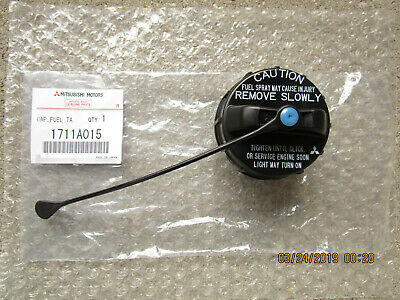
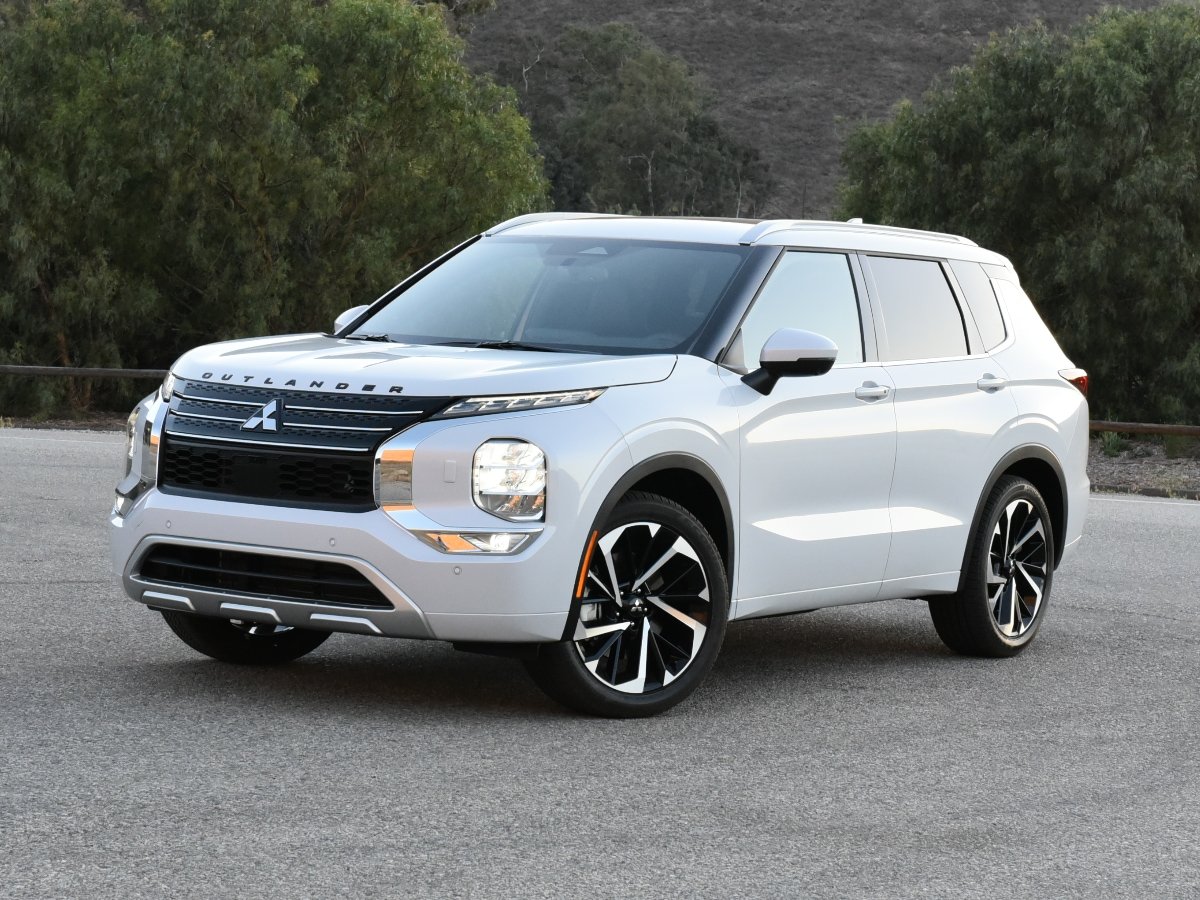
Mitsubishi Outlander Gas Button problem & solution

The gas button on a Mitsubishi Outlander is easily accessible. The release lever is located on the floorboard next to the driver’s seat. It is usually a dark-colored latch. You can pull it upward to open the fuel door. To close it, you must turn it counterclockwise. Then, you can insert the gasoline pump. Once the valve is closed, you can press the release lever again to close it.

You will find the most important video at the end of this article.

When compared to its rivals, the Mitsubishi Outlander has a higher cost of ownership and a lower reliability score. The vehicle’s fuel economy is excellent, with a fuel economy of about 26 mpg. A 4.0 reliability rating is impressive, and it has a low total cost of ownership. The car’s seating capacity is seven, but its third-row bench is best for children. However, the 2019 Outlander does not hold its value as well as the Honda CR-V and Nissan Rogue.

The Outlander has a standard touchscreen and Bluetooth connectivity. While it lacks some competitors’ features, it does have a decent number of power points and USB ports. The Outlander has three 12-volt outlets and one USB port, which is better than most competitors. The GT module crossbreed has two outlets, a top 1500-watt AC power supply, and two USB ports. While the Outlander is relatively small in comparison to its competition, it is a great option for families looking to make a difference in gas mileage.

mitsubishi outlander gas button

The Outlander isn’t the greenest car in its segment, but it is still an incredibly efficient and comfortable SUV. The base four-chamber Outlander is unremarkable and has a bland CVT. The PHEV is a better choice, offering 22 miles of electric range and a regenerative energy system. The Outlander’s battery is 12.0-kWh, and it is a good choice for families who need a little more power. The car has a hefty 22-horsepower, and it has a standard six-speed programmed transmission.

The Mitsubishi Outlander has a great gas button, and it’s also an efficient car to drive. The powertrain in the Outlander is a solid one, and the gas mileage is excellent. The outlander is a seven-seater that’s roomy inside. Its rear seats have plenty of space for passengers. A large amount of cargo space makes the Outlander a perfect vehicle for families.

In case you need to refill your fuel, you can push the gas door release button located on the driver’s side door. It will automatically unlock the gas tank door. The release button is located on the driver’s side door, right above the map pocket. If the gas door flap is stuck, press the gas button again to release it. The gas tank will be able to be opened by simply pressing it.

Is Mitsubishi Outlander Fuel Efficient?

Is Mitsubishi Outlander fuel efficient? The PHEV version of the Outlander has been a runaway success and its official emissions figure is so low, that the car has no other rival in the segment. It is likely that you will use your Outlander PHEV for business travel, but a disappointing real-world fuel economy is still a possibility. However, if you can afford the extra cost of a diesel 4×4, it may be a better choice.

how to open gas tank on mitsubishi outlander 2022

The Mitsubishi Outlander has impressive fuel efficiency, as it is a heavy-duty 4×4 with a large frontal area. Its aerodynamics and weight also play a part in fuel economy in real-world driving. Despite its good mileage, it is still not the best choice for those who are concerned about their environmental footprint. If you drive your Outlander without charging, the gas mileage will reduce correspondingly.

Its interior is a marked improvement on its predecessor, with larger screens, nicer materials, and a digital driver’s information display. It also comes with heated second-row seats and more storage. As an SUV, the Mitsubishi Outlander is available in Hyb/ULP, Diesel, and Hybrid. The Outlander PHEV has the best overall fuel efficiency of any small SUV.

let’s Take a look at How to Open the Mitsubishi Outlander Fuel Door Release

A Mitsubishi Outlander’s fuel door release lever is located next to the driver’s seat on the floorboard. It is typically dark in color. To release the fuel doors, pull the lever upward and turn it counterclockwise. Once the fuel door is released, push the button and the gas or diesel filler will spill into the tank. Repeat these steps to release the other doors on your Outlander. If you are still experiencing the issue, you can try to change the engine.

The Mitsubishi Outlander has a fuel door release lever located on the left side of the floorboard. Press the button and the door will open. Make sure to keep this lever in a safe place, as it can get lost in the trunk. After you’ve located the lever, push it back down to close it. In the future, you can also unlock the door when you’re driving to avoid potential gas leaks.

While the fuel door release lever on the Mitsubishi Outlander may seem like a complicated process, it is actually a simple process that can be completed by anyone with a basic understanding of vehicle repair. A replacement of the actuator can cost anywhere from $176 to $195, with labor costs ranging between $72 and 91 and parts costing between $104 and $100. It is important to note, though, that the cost of the parts and labor vary.

The Mitsubishi Outlander has a pull cord for opening the trunk. The gas cap and fuel door are located on the driver’s side of the vehicle. It’s a practical, upscale, seven-seat SUV that’s priced similarly to other five-seat competitors. You can find the Outlander’s fuel door release lever on its floorboard, too. It’s a great way to keep track of your fuel costs and ensure your Outlander runs efficiently.

mitsubishi outlander fuel door release

Another cause of a broken gas cap is a dirty gas cap gasket. A dirty gas cap gasket can prevent the gas door from opening properly. It’s important to check the gas cap and its alignment to ensure that the latch is securely fastened. If you find that the latch is squeaky, you should replace it with a new one. It is also important to inspect the gas door’s hinge and gas tank.

The gas cap should be locked so that the car doesn’t start while it is in the idling position. This will prevent the car from starting. In addition, the locking gas cap can be used on vehicles not sold with them. Regardless of the model you choose, a locking gas cap will prevent the gas door from opening while you are driving. The lock will also prevent the car from tipping over.

Frequently Asked Questions

Where is the Gas Button on a Mitsubishi Outlander?

The fuel door release lever on the Mitsubishi Outlander can be found next to the driver’s seat on the floorboard. You will need to pull upward to open the fuel door and then turn it counterclockwise to close it. To access the fuel door, push the gas pedal on the dash. To access the fuel door, you need to press the release lever and then press the fuel button.

where is the gas button on a mitsubishi outlander

In order to open the gas tank on the Mitsubishi Outlander, pull the lever on the driver’s side of the vehicle. The handle is connected to a cable underneath the driver’s floorboard. If you push it too hard, you could break the cable. The 2019 Outlander has seating for seven people, including a bench in the third row. The reliability rating is not stellar, so Outlander will not hold its value as well as its rivals. The Nissan Rogue is a better value, but it has lower horsepower and a more expensive price tag.

If you don’t see a gas button on the Outlander’s dash, you need to unblock the gas door. The release lever is located on the driver’s floorboard. To open the gas door, push the gas button and pull it forward. The fuel door release lever is black. This lever is located at the back of the vehicle’s center console. It is located on the left side of the driver’s floorboard.

How to Open the Gas Tank on a Mitsubishi Outlander

Opening the gas tank on a Mitsubishi Outlander is a simple procedure. To open the door, locate the release lever located on the floorboard next to the driver’s seat. It’s typically black or dark gray. To open the door, pull upward and twist the handle counterclockwise. The hatchback’s fuel door will open and close automatically. Once the hatchback is opened, pull the hatchback’s fuel door release lever toward you.

A Mitsubishi Outlander gas tank is easy to access and can be easily filled with regular or premium gasoline. The release lever is located on the driver’s side floorboard. To open the gas door, push the release lever towards you. This will release the latch and the hatch. You can use the pull cord to remove the trunk cover. Once the hatchback is closed, you can easily access the fuel door and gas cap.

The gas tank cover is released by pushing the lever on the left side of the floorboard of the driver. The hatchback will unlock the gas cap and open the fuel door. You can also use a locking gas cap for your Outlander. If you need to use more fuel than usual, the tank capacity will reduce significantly, so the best way to fill it is to refuel the car before driving it further.

How to Open Gas Tank on Mitsubishi Outlander 2022

The Mitsubishi Outlander has a fuel door that must be opened when the car is in the gas station. The fuel door is located near the driver’s seat on the floorboard. To open the fuel doors, you have to pull up on the lever and twist it counterclockwise. You can also remove the cap and open the gas tank. The process is the same for all Mitsubishi Outlander models.

There is a release lever on the fuel door that unlocks the gas tank. You can find it on the left side of the driver’s floorboard. Once you locate it, you can pull it open. When you are finished filling your tank, you must turn the key and release the latch. The keyhole in the fuel door is located in the middle of the driver’s seat.

The fuel door can also be damaged if you pull too hard on it. The handle is connected to a cable underneath the floorboard on the driver’s side. If you pull too hard, it can break the cable. To fix the problem, you can replace the door and lining. If the damage is not too severe, you can purchase a new engine. If the damage is more severe, you can replace the fuel door.

How to Open Gas Tank on 2019 Mitsubishi Outlander

How to open the gas tank on a 2019 Mitsubishi Outlander? You’ve probably noticed that the gas door is stuck and you don’t know how to get it open. Fortunately, this article will show you how to get it open. Just follow these steps: First, find the fuel door release lever, located on the floorboard next to the driver’s seat. Once you’ve found it, pull it upward. Then, turn it counter-clockwise until the door is released.

To open the gas door on a Mitsubishi Outlander, locate the lever on the left side of the driver’s floorboard. If the latch is obstructed, pull it up until you find an opening on the inside. Alternatively, you can use the lever in the center of the car to release the fuel cap. This will allow you to easily remove the cap. If you’ve been having issues with the gas door in your Mitsubishi Outlander, this article will help you fix the problem.

If this does not work, you might need to remove the entire gas cap. The fuel door is secured with a black release lever. Once you remove the lock, you can easily remove the gas tank. The next step is to locate the gas control cable. Then, use the flat screwdriver to pry the fuel door open. Finally, use WD40 to lubricate the cable.

How to Open the Gas Cap on a 2019 Mitsubishi Outlander

If your oil service light is on, you need to figure out how to open the gas cap on a Mitsubishi Outlander. Fortunately, the process is not difficult. Just locate the release lever next to the driver’s seat on the floorboard. You need to push upward on it and twist it counter-clockwise to open the door. Once you have done this, you can replace the fuel door release actuator and drive your Mitsubishi Outlander.

The next step is to remove the gas tank cover. To do this, locate the lever on the driver’s floorboard. This will release the cover and allow you to fill the tank. Pull the lever up, and you’ll see the gas cap. It’s important to remember that the cap is firmly secured. Always store the fuel cap in an area out of the reach of children.

Conclusion

You can also try to replace the blown fuse. Sometimes, the fuse for the fuel door will not work. If this is the case, consult your car’s manual and replace the blown fuse. If you’re still having problems, contact your Mitsubishi dealership immediately. They’ll be able to provide you with a new fuse for your car. The process will save you time, money, and hassle.

How to Find Mileage on a Tesla Model 3, X, Y, S 2022

If you own a Tesla, you probably want to know how to find mileage on your car. It’s difficult to read a tachometer in a digital car, but it’s still very important. Using a third-party app can help you figure out how much mileage you’ve driven. The app also allows you to log your trips and see how much distance you’ve covered.

You can also use the EPA range chart to find out the mileage your car will cover. Tesla’s calculator will give you an estimate based on the manufacturer’s range data. It’s important to note that this information may not be 100% accurate. The EPA range is based on the smallest wheels. The Model 3 Configurator website shows 310 miles for a Model P with 18″ wheels, but 320 miles for a Model S with 20″ wheels. Using the EPA-rated range isn’t a good comparison.

The EPA’s tests are done with the smallest wheels. Then, a Tesla with 18″ wheels is estimated to travel 310 miles. For a Tesla with 20″ wheels, the same mileage is achieved. Because of the 33% rule, this data can vary depending on the configuration. It is recommended that you do not use climate control in the cabin and stick to the minimum speed for the most efficiency.

Once you’ve figured out how many miles your Tesla has traveled, you can compare it to the manufacturer’s range chart to estimate how many miles your car can travel in a given time. It’s important to know exactly what your car’s range is before buying it. By following these guidelines, you’ll be able to accurately estimate your vehicle’s range. Once you’ve gotten a feel for how much mileage your Tesla can do, you’ll be happy you did.

There are other ways to get mileage on a Tesla. The app is designed to analyze your driving patterns and anticipate your charging needs. It also gives you the odometer’s total mileage, which is helpful for determining how far you’ve traveled. You can also look at the fuel efficiency by referring to the Energy app on your phone. If you’re worried about your EV’s gas mileage, the app will let you know whether you need to charge your car regularly.

The most obvious way to find mileage on a Tesla is to swipe right on the car icon on the left side of the touchscreen. The odometer will tell you how far you’ve driven. You can also check the odometer on the app by tapping the odometer icon on your car’s screen. Lastly, you can access the car’s odometer by using the Tesla app on your phone.

How to Find Mileage for a Tesla Model 3

The mileage for a Tesla Model 3 is vital, especially for those who plan to write off the miles as business expenses. You’ll need to check your odometer to determine how many miles you’ve driven, and it’s easy to do. The odometer is located in the main touchscreen display, on the left side of the instrument panel. To find the mileage for a Model 3, you can go to Settings > General and then tap the odometer.

how to find mileage for tesla model 3

The standard range of a Tesla Model 3 can get you up to 250 miles of driving, or over five hours. The longer the range, the more you’ll have to recharge. The longest journey for a Tesla Model 3 can be 585 miles. The longest distance it can travel is a distance of around 1,800 miles. The Model 3 can go up to 658 kilometers on a single charge.

To see the mileage of a Tesla Model 3, you can check its website or download the software. The graph is easy to understand, and it shows you how many miles you’ll have to drive at various speeds. Depending on how you drive, you’ll see different amounts on the screen. When you drive aggressively, the range may be smaller. If you’re planning on making a trip from New York to Washington DC, the Standard Range can last for five days.

If you’re concerned about your electric car’s range, you can check the car’s specs to find out how much mileage it has traveled. The Model S Long Range Plus can get you as far as Washington, DC, and halfway back to Delaware without recharging. For the everyday driver, the Model S offers enough range for most driving needs. The mileage of a Tesla Model 3 depends on the way you drive it and the location you visit.

Using the mileage of a Tesla Model 3 is easy. It’s easy to find the mileage because it’s so popular with Tesla customers. And because it’s so new, it can be confusing to use at first. It’s hard to figure out which features are commonly used and which ones aren’t. Fortunately, there are a few ways to check the mileage on a Model 3.

If you’re wondering how to find mileage for a Tesla Model 3, it’s important to know your car’s model number. If you’re using the 18” wheels, you can expect to get about 353 to 352 miles per charge. Similarly, if you’re using the 19-inch wheels, the range will be 318 miles. The higher the number of wheels, the longer the battery will be.

How to Find Mileage on a Tesla Model X

The mileage on a Tesla Model X is impressive. This electric vehicle features an extremely large battery that gives it a driving range of 351 or 335 miles. The vehicle can be recharged at Superchargers, which are available at various locations across the country. You can also use in-home charging equipment from Tesla. This type of charging is slow, but it is much more convenient than the Superchargers.

mileage on tesla model x

A Tesla Model X with over 400,000 miles on the odometer is an amazing achievement. The car has been used as a rental car and shuttle for many years, but it still manages to get 80,000 miles. This impressive number is even more impressive if you consider the cost of the batteries. The battery is the most expensive part of the car, and since the batteries last for a long time, this is an especially important figure.

One example of this is a Tesla Model X with over 400,000 miles on the odometer. The vehicle has been used by an employee at a Los Angeles-based shuttle company for a few years. In addition to proving that the Model X can last for many years, this particular model has the highest mileage of any vehicle in the world. While this is great news for Tesla drivers, the battery pack is the most expensive component of a Tesla.

The Tesla Model X is an all-electric mid-size crossover that offers up to 300 miles of range. The car is equipped with a falcon-wing door for passenger access. The vehicle can even reach 500,000 miles on one battery. The mileage on a Tesla Model X is based on yearly mileage. However, these cars can’t be driven on public roads. For this reason, owners of electric vehicles should consult a mechanic or a trusted mechanic to check for any damage or wear.

Although the range of a Tesla Model X has dropped by nearly 10%, this vehicle still boasts a 300-mile driving range. The Model X also has a range of up to 270 miles on a single charge, and the car’s range can be as low as 320 miles on a single charge. This range is not uncommon for an electric vehicle. This is also true for a hybrid or a plug-in hybrid.

The mileage on a Tesla Model X can be as high as 50,000 miles when properly maintained. The standard range of the Model S is 263 miles, and the standard performance model has a 412 mile EPA rating. The Tesla Model X can travel more than 500 miles on a single charge, which is incredible for an electric car. This range is an incredible improvement over its predecessor’s two hundred-mile range.

How to Find Mileage on a Tesla Model Y

Using the Tesla app can be a great way to find mileage on a Model Y. It will give you the current odometer reading, the VIN, and the software version of your car. If you are unsure of how to use the app, there is a full walkthrough video you can view. It also includes many features that will allow you to find mileage at two different locations. Using this feature will help you maximize your range and avoid running out of gas too soon.

Tesla has revolutionized the auto industry, and because of this, it’s sometimes difficult to find common features. The easiest way to find mileage is to swipe right on the car graphic on the dashboard. To check the mileage on a Model Y, simply scroll down to the mileage section and click the “check mileage” button. Alternatively, you can check the mileage by opening up the app on your phone.

There are several ways to find mileage on a Model Y. The performance version, which has a higher price tag, has more features. It can travel from New York City to Delaware and back if needed. The performance Model Y will cost you $2.87 for a hundred miles of range. There are also some other ways to determine mileage on a Model Y. The most obvious method is to look for a Tesla supercharger. This will ensure that you have access to charging stations whenever you want.

The Y is a great way to maximize your mileage while driving. The standard version of the Model Y has a 250-mile range, which makes it a popular option for commuting. You can also get a model with the third row of seats. There is a high-end Performance version, which has a carbon fiber rear spoiler. It’s a very capable vehicle and the most expensive one is the Long Range model, which can get up to 326 miles.

The range of a Model Y depends on its size. The higher the battery, the better. In addition to that, it has a longer range than a traditional car. Then, the more the car weighs, the more the battery can hold. But if you drive it a lot, it will not take you very long to run out of fuel.

The Y is a compact SUV, but its performance is impressive. The dual-motor electric drivetrain provides instant torque to all four wheels. The long-range model has an 0-to-60 mph time of 4.8 seconds; the performance model has a 3.5-second acceleration. The high-performance Model Y is more thrilling than the standard one. It has a high top speed and a long electric range of over 300 miles.

How to Find Mileage on a Tesla Model S

When you want to check the mileage on your Tesla Model S, you can do so by using the odometer. This feature has been available in the Model S since its release. It displays the current reading, VIN, and software version. It also has a comprehensive walkthrough video. If you are interested in checking the mileage from different points, you can download a third-party app that does it for you.

how to check mileage on tesla model s

Another way to check your Tesla Model S’ mileage is to use the vehicle’s touchscreen. The odometer is located on the left side of the main touchscreen display. Once you find the right spot, swipe up to view trip information. The screen will display the total mileage of the Model S. To check the miles on your Model S, you can also use the Tesla app on your phone. After you download the app, go to the car’s settings menu and click on the “Mileage” tab.

While driving your Tesla, remember that the range available to you is based on your driving conditions. If you are aggressive and drive fast, you will see a reduced range on the screen. You can drive a single charge in a Model S, if the car has the Standard Range. This will allow you to make five trips, including the trip from New York to Washington DC, using the Standard Range.

The average Model S owner covers a minimum of 70,000 miles a year. If you want to know exactly how much mileage you have left in your car, there are a number of options available. You can check the mileage on your Model S by using the vehicle’s online calculator. You can also compare the mileage of other vehicles in the same class and make comparisons. With so many options, it’s easy to find the best car for you.

You can also check the mileage on your Tesla by using the dashboard. It has a low center of gravity. However, if you’re a serious Tesla owner, you should pay attention to the battery’s condition. Batteries will degrade over time, so you need to be proactive and prevent them from running out. During this time, you can avoid the hassle of replacing your battery.

Another way to check the mileage on a Tesla is to use the car’s GPS. It’s possible to use your navigation system to get the mileage of your car. You can also check the mpg by using the mileage calculator on your Tesla. It’s important to note that the Model S and the Model X are the only ones that come with a GPS. Therefore, you should be aware of the exact mileage of your car.


How to Make Your Tesla Dance

Do you want to know how to make your Tesla dance? There are many ways to do it: first, you can activate the lights in the car to make it flash. Alternatively, you can program your car to dance. The dancing lights are triggered by a sensor in the front of the car.

The first method

It is not very popular and is best for people who love a good show. However, if you are more interested in being able to see your car’s lights without having to leave the house, you can try the other method.

Secondly, you can activate a custom light show.

To start the light show, simply navigate to the Toybox screen on your Tesla and tap on “Start the Show.” You’ll need to wait a couple of minutes for the show to load, and then you can turn the volume up to hear it in action. It’s recommended that you test the lighting before turning the volume up, but that isn’t essential.

Third method If you’re not into tinkering

you can just download the software update that lets your car display holiday greetings in a special mode. The updated software contains an Easter Egg that allows you to access a special mode for the lights in your Tesla. The holiday greeting includes music and the car’s distinctive “falcon wing” doors flapping in unison to the music. It’s an entertaining way to make your Tesla dance.

Another way to customize

your car’s main screen is to drag and drop your favorite apps to the bottom menu bar. To move the icons around, tap them and drag them to the right to reorder them. Then you can swipe up from the bottom of the screen to see the main screen. You can also reorder them to customize your car’s main screen. This way, you’ll have your vehicle’s temperature displayed in the top half of the dashboard.

Changing the name of your Tesla on the sketchpad is another fun way to personalize your car. You can change the name of your car to reflect the title of your favorite show. For instance, if you are a fan of the TV show “Rick and Morty”, you can change the name of your car’s dashboard to “Life, Universe, and Everything”. Aside from the customizations, you can also change the logo to the character you want to activate on the sketchpad.

To program the lights of your Tesla, you can download the xLights software from the GitHub repository. The XLights software is an open-source project, which means that it’s free to modify and customize. You can also add your favorite show to your car. If you are a fan of movies and TV shows, you can also choose to add a Christmas or New Year’s Eve light show.

What Song Does Tesla Model S and X Dance To?

what song does tesla model x dance to

The Tesla Model S has an easter egg that lets you set the car to dance to a specific song

The Tesla Model S’s Music Dance playlist contains songs from the Trans Siberian Orchestra. It is a little over two minutes long and includes some classics as well as more recent hits. It is programmable software that can do this. It is an incredibly fun feature.

The dancing mode is a cool feature that lets you change the colors of your car to match the tune. The Tesla lights and falcon doors also move to the music. The whole video is less than a minute long, but it will make you feel like a child again. The taillights are also red. The dancing mode also allows you to enjoy the dazzling light show from your vehicle.

When the Tesla Model X is on, it will display an animated light show

While it is not possible to choose the song that you want, the owners have posted videos of the vehicle’s lights dancing to a popular tune. One person even took a video of the car’s light show to share with others. The resulting video has been viewed more than a million times, and it’s still one of the most entertaining ways to see a car in action.

Model x has an easter egg that lets you switch on the lights and dance to a holiday light show. When activated, the “easter egg” plays a song called “Wizards in Winter” by the Trans-Siberian Orchestra. During the dancing, the door mirrors and side-view mirrors open in time to the music. That’s a pretty amazing display and one that you won’t want to miss.

Tesla Model X can be updated to a different Christmas song to celebrate the holidays. It is currently set to dance to the “Holiday” song. When the Model X is turned on, it will move to the “Holiday” song. This song will be played every time you open the doors to the car. This makes it the perfect vehicle for the holidays. It’s also perfect for the holidays.

Conclusion

Besides dancing to a Christmas song, the Tesla Model X can dance to a holiday song. Previously, the car would move to the beat of the tune. But after the 2020 update, it no longer has a holiday tune. It will continue to use the same song. This is the perfect way to celebrate the holiday season with a new electric car! And what better way to celebrate than with a special gift?